英単語(英英)の用語と解説
英語の説明から単語を当てる。865 語のうち 701〜750 語目です。答えを隠して、問いから答えを思い出してから読むと、覚えやすくなります。
この問題集をタイピングで解く
summer
問いThe hottest season of the year. Schools close and people go to the beach.
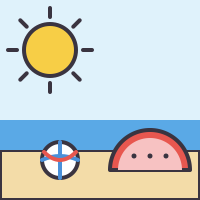
夏
【解説】夏休みは summer vacation、「夏に」は in summer と言います。
【例文】I like summer the best.(私は夏が一番好きです。)
sun
問いThe big bright star in the sky. It gives light and heat to the earth in the daytime.

太陽
【解説】「晴れた」は sunny、日曜日は Sunday です。
【例文】The sun is very hot today.(今日は太陽がとても暑いです。)
Sundaysunday
問いThe day after Saturday, when there is no school. Many families rest or go to church.
日曜日
【解説】「毎週日曜日に」は on Sundays と s を付けて言います。
【例文】My father cooks dinner on Sunday.(日曜日は父が夕食を作ります。)
sunny
問いWith a bright blue sky and no clouds. A good day for a picnic is this.

晴れた
【解説】名詞の sun に n を重ねて y を付けた形です。
【例文】It is sunny today.(今日は晴れています。)
sunrise
問いThe moment early in the morning when the sun first appears above the far hills.
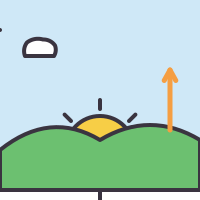
日の出
【解説】日の出は sunrise、日の入りは sunset です。対にして覚えておきましょう。
【例文】We climbed the hill to watch the sunrise.(私たちは日の出を見るために丘を登りました。)
sunset
問いThe time in the evening when the sky turns red and orange and the day ends.

日没・夕日
【解説】日の入りは sunset、日の出は sunrise です。
【例文】We watched the sunset from the beach.(私たちは浜辺から夕日を見ました。)
sunshinesunshine|sunlight
問いThe warm bright light that comes from the sun on a clear day without clouds.
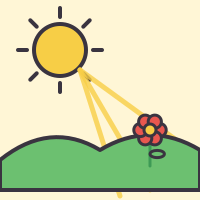
日差し・ひなた
【解説】sun と shine を合わせた語で、数えられない名詞です。
【例文】The cat slept in the warm sunshine.(猫は暖かい日差しの中で眠りました。)
supermarket
問いA big shop where you buy food and drinks. You push a cart and pay at the end.

スーパーマーケット
【解説】日本語の「スーパー」だけでは通じないので、supermarket と言います。
【例文】My mother works at a supermarket.(私の母はスーパーで働いています。)
surprised
問いFeeling that something happened that you did not expect at all, like a party for you.

驚いた
【解説】「~に驚く」は surprised at です。驚かせる物事は surprising で表します。
【例文】I was surprised at the news.(私はその知らせに驚きました。)
sweet
問いTasting like sugar or honey. Cake, candy, and chocolate are this.

甘い
【解説】人に使うと「優しい」という意味にもなります。
【例文】This cake is very sweet.(このケーキはとても甘いです。)
swim
問いTo move through water using your arms and legs. Fish do this all day.
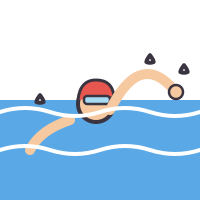
泳ぐ
【解説】過去形は swam です。水泳は swimming と言います。
【例文】Can you swim?(あなたは泳げますか。)
table
問いFurniture with a flat top and legs. Families sit around it to eat dinner.
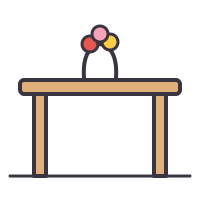
テーブル
【解説】食事などに使う台が table で、勉強机は desk と言います。
【例文】The cups are on the table.(カップはテーブルの上にあります。)
tail
問いThe long part at the back end of an animal. A dog moves it when it is happy.
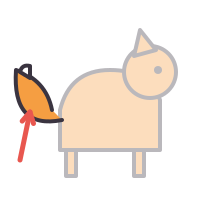
しっぽ
【解説】「しっぽを振る」は wag its tail と言います。
【例文】The cat has a long tail.(その猫は長いしっぽを持っています。)
talk
問いTo say things to another person and listen to their words in return.
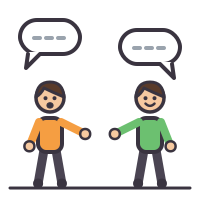
話す・おしゃべりする
【解説】「~について話す」は talk about、「人と話す」は talk with / to です。
【例文】Let's talk about the movie.(映画について話そう。)
tall
問いVery high from the ground to the top, like a giraffe or a tower.
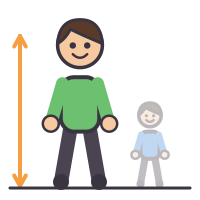
背が高い
【解説】人や木の背の高さには tall、山の高さには high をよく使います。
【例文】My father is very tall.(父はとても背が高いです。)
taxi
問いA car with a driver that you pay to take you somewhere. You wave your hand to stop it.

タクシー
【解説】「タクシーに乗る」は take a taxi、複数形は taxis です。
【例文】Let's take a taxi to the station.(駅までタクシーで行こう。)
tea
問いA hot drink made with leaves and water. People in Japan and England drink it a lot.
お茶・紅茶
【解説】緑茶は green tea、紅茶は black tea と言います。
【例文】Would you like some tea?(お茶はいかがですか。)
teach
問いTo help students understand a subject, like math or English, at a school.
教える
【解説】過去形は taught です。tell(伝える)と違い、教科や技能を教えるときに使います。
【例文】Mr. Sato teaches science.(佐藤先生は理科を教えています。)
teacher
問いA person who works at a school. This person helps students learn new things.
先生
【解説】呼びかけるときは Teacher! ではなく、Mr. や Ms. に名字を付けて呼びます。
【例文】Ms. Brown is our English teacher.(ブラウン先生は私たちの英語の先生です。)
team
問いA group of players who play together on the same side in a game.
チーム
【解説】チームメイトは teammate、「同じチームで」は on the same team です。
【例文】Our team won the game.(私たちのチームが試合に勝ちました。)
telescope
問いA long tube with glass at both ends. You look through it to see the moon and stars.
望遠鏡
【解説】遠くのものを見るのが telescope、小さいものを見るのは microscope(顕微鏡)です。
【例文】We looked at Mars through a telescope.(私たちは望遠鏡で火星を見ました。)
television
問いA big screen at home. You watch news, cartoons, and sports on it.

テレビ
【解説】短く TV とも言います。「テレビを見る」は watch TV です。
【例文】I watch television after dinner.(私は夕食後にテレビを見ます。)
tell
問いTo give information or a story to a person with words, like your name or news.
伝える・教える
【解説】過去形は told です。tell me the way のように、後ろに人を直接置けます。
【例文】Tell me your name.(あなたの名前を教えて。)
temperature
問いHow hot or cold it is, in degrees. You check it in the news or with a thermometer.
温度・体温
【解説】「熱がある」は have a temperature とも言います。
【例文】The temperature is thirty degrees today.(今日の気温は30度です。)
temple
問いA building where people pray to Buddha. Japan has many old ones in Kyoto and Nara.

寺
【解説】寺は temple、神社は shrine と言い分けます。
【例文】Kyoto has many old temples.(京都にはたくさんの古いお寺があります。)
tennis
問いA game where two players hit a small yellow ball over a net with rackets.
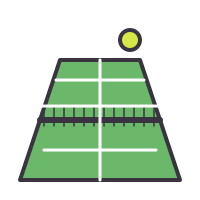
テニス
【解説】「テニスをする」は play tennis で、the は付けません。
【例文】She plays tennis every Sunday.(彼女は毎週日曜日にテニスをします。)
tent
問いA small house made of cloth. You sleep in it when you go camping.

テント
【解説】「テントを張る」は put up a tent です。
【例文】We put up the tent by the river.(私たちは川のそばにテントを張りました。)
terrible
問いVery very bad. A day with heavy rain, a lost wallet, and a fight is this.
ひどい
【解説】副詞は terribly(ひどく)です。
【例文】The weather was terrible yesterday.(昨日は天気がひどかったです。)
test
問いA set of questions that you answer in class to show what you learned. You get a score.
テスト・試験
【解説】「テストを受ける」は take a test、「合格する」は pass a test です。
【例文】We have a math test tomorrow.(明日は数学のテストがあります。)
textbook
問いThe main thing you read for a school subject. Every student opens it in math class and does its problems.

教科書
【解説】text(文章)と book を合わせた語です。
【例文】Open your textbook to page ten.(教科書の10ページを開きなさい。)
theatertheater|theatre
問いA building with many seats and a big screen or a stage where you watch movies or plays.
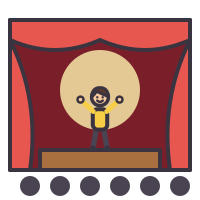
劇場・映画館
【解説】アメリカ英語のつづりで、イギリスでは theatre とつづります。
【例文】Let's go to the movie theater.(映画館に行こう。)
thick
問いBig from one side to the other, like a dictionary or a winter coat.
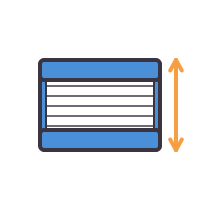
厚い
【解説】反対は thin です。thick fog は「濃い霧」です。
【例文】This book is very thick.(この本はとても厚いです。)
thin
問いNot thick. A sheet of paper or a slice of ham is this.
薄い・やせた
【解説】比較級は n を重ねて thinner です。
【例文】This paper is very thin.(この紙はとても薄いです。)
think
問いTo use your mind to get an idea or an answer, or to have an opinion.
考える・思う
【解説】過去形は thought です。「~について考える」は think about と言います。
【例文】I think this book is interesting.(この本はおもしろいと思います。)
thirsty
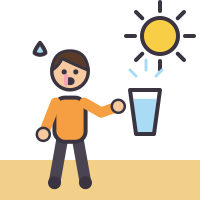
問いWanting to drink water. You feel this after running on a hot day.
のどがかわいた
【解説】おなかがすいたのは hungry、のどが渇いたのは thirsty です。
【例文】I am thirsty. Give me some water.(のどがかわいた。水をちょうだい。)
throat
問いThe inside part of your neck. Food goes down it, and it hurts when you have a cold.
のど
【解説】「のどが痛い」は have a sore throat と言います。
【例文】I have a sore throat.(のどが痛いです。)
throw
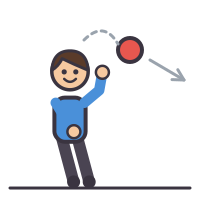
問いTo send a ball or a stone through the air with your hand and arm.
投げる
【解説】過去形は threw です。「捨てる」は throw away と言います。
【例文】Don't throw stones.(石を投げてはいけません。)
thumb
問いThe short thick finger on the side of your hand. You put it up to say good.

親指
【解説】語末の b は発音せず「サム」と読みます。
【例文】He held up his thumb.(彼は親指を立てました。)
thunder
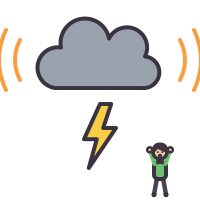
問いThe loud noise that you hear from the sky after a bright flash in a storm.
雷(音)
【解説】光るのが lightning、音が thunder です。
【例文】The thunder scared my dog.(雷の音が私の犬をこわがらせました。)
Thursdaythursday
問いThe day after Wednesday and before Friday. Only one more school day comes after it.
木曜日
【解説】Thu や Thurs と短く書くことも多くあります。
【例文】I play soccer every Thursday.(私は毎週木曜日にサッカーをします。)
ticket
問いA small piece of paper that lets you ride a train or see a movie.

切符・チケット
【解説】「切符を買う」は buy a ticket、売り場は ticket office です。
【例文】I bought two tickets for the concert.(私はコンサートのチケットを2枚買いました。)
tidy
問いWith everything put in its right place, so the room looks clean and neat.
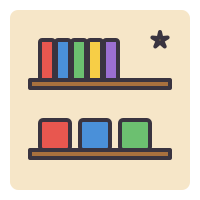
きちんとした・整った
【解説】動詞としても使い、tidy up your room で「部屋を片づける」です。
【例文】Her desk is always tidy.(彼女の机はいつも整っています。)
tie
問いTo join two ends of a string or rope with a knot. You do this to your shoes.
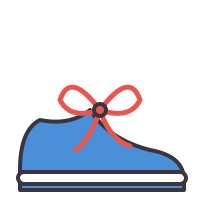
結ぶ
【解説】-ing 形は tying です。名詞ではネクタイも tie と言います。
【例文】Tie your shoes before you run.(走る前に靴ひもを結んで。)
tiger
問いA big wild cat with orange fur and black stripes. It lives in the forest.

トラ
【解説】しま模様は stripes と言います。ヒョウの斑点は spots です。
【例文】A tiger has black stripes.(トラには黒いしま模様があります。)
tight
問いFitting your body too closely, so that the clothes are not comfortable to wear.

きつい・ぴったりした
【解説】反対は loose です。「しっかり握る」は hold it tight と言います。
【例文】These shoes are too tight for me.(この靴は私にはきつすぎます。)
tiny
問いVery very small, like an ant or a grain of rice.
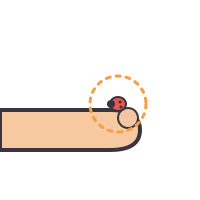
とても小さい
【解説】small よりさらに小さいときに使います。
【例文】The baby has tiny hands.(赤ちゃんの手はとても小さいです。)
tired
問いWanting to rest because you worked or played hard. You feel this at bedtime.
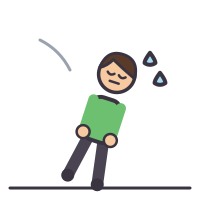
疲れた
【解説】「~に飽きた」は tired of と言います。
【例文】I am tired after soccer.(サッカーのあと疲れました。)
tomato
問いA round red vegetable with soft juicy inside. People put it in salads and on pizza.
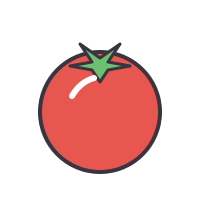
トマト
【解説】複数形は tomatoes です。発音は「トメイトウ」に近くなります。
【例文】I put a tomato in my salad.(私はサラダにトマトを入れます。)
tongue
問いThe soft part inside your mouth that moves. You taste food with it.

舌
【解説】発音は「タン」です。mother tongue は「母語」という意味です。
【例文】The dog's tongue is pink.(その犬の舌はピンク色です。)
tool
問いA thing you hold in your hand to do work, such as a hammer or a saw.
道具・工具
【解説】道具一式は a set of tools、大きな機械は machine と言います。
【例文】A hammer is a very useful tool.(ハンマーはとても役に立つ道具です。)