英単語(英英)の用語と解説
英語の説明から単語を当てる。865 語のうち 401〜450 語目です。答えを隠して、問いから答えを思い出してから読むと、覚えやすくなります。
この問題集をタイピングで解く
listen
問いTo use your ears carefully to hear music or a person's words.
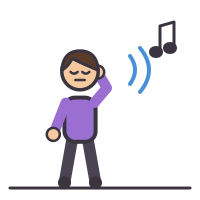
聞く
【解説】listen to ~ のように to を付けて使います。t は発音しません。
【例文】Listen to the teacher.(先生の話を聞きなさい。)
live
問いTo have your home in a place. You do this in a house or an apartment.
住む
【解説】live in + 場所 で「~に住む」です。形容詞の live は「ライブ」と読みます。
【例文】I live in Osaka.(私は大阪に住んでいます。)
local
問いOf the town or area where you are, not from far away. Fish caught nearby is this.
地元の
【解説】地元の人は local people、各駅停車は local train です。
【例文】We ate at a local restaurant.(私たちは地元のレストランで食べました。)
lock
問いTo close a door or a box with a key so that nobody can open it.

かぎをかける
【解説】名詞では「錠前」の意味もあります。かぎ本体は key です。
【例文】Lock the door when you leave.(出かけるときはドアにかぎをかけてね。)
lonely
問いFeeling sad because you are alone and have no friends around you.
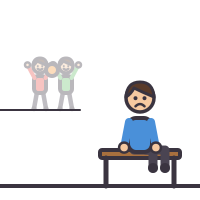
さびしい
【解説】alone は「一人で」という事実、lonely は「さびしい」という気持ちを表します。
【例文】I feel lonely without my dog.(犬がいないとさびしいです。)
long
問いNot short. A snake, a river, and a train are this shape.
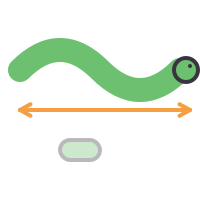
長い
【解説】反対は short です。「長い間」は for a long time と言います。
【例文】She has long hair.(彼女は髪が長いです。)
look
問いTo turn your eyes toward something so that you can see it.

見る・目を向ける
【解説】look at ~ のように at を付けて使います。
【例文】Look at the picture.(その絵を見なさい。)
loose
問いNot fixed or tight, so that something moves a little when you touch or wear it.

ゆるい
【解説】発音は「ルース」で、動詞 lose(ルーズ)とは別の語です。
【例文】My front tooth feels a bit loose.(前歯が少しぐらぐらします。)
lost
問いNot knowing where you are or how to get home. You may feel this in a big new city.
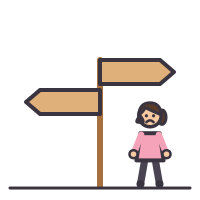
道に迷った
【解説】get lost で「道に迷う」です。
【例文】We got lost in the forest.(私たちは森で道に迷いました。)
loud
問いMaking a lot of sound, like a drum or a big truck.
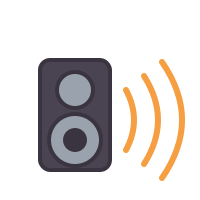
うるさい・大きな音の
【解説】「大きな声で」は in a loud voice です。反対は quiet です。
【例文】The music is too loud.(音楽がうるさすぎます。)
love
問いTo like a person or thing very, very much, with all your heart.
愛する・大好きである
【解説】「~するのが大好き」は love to do や love doing で表します。
【例文】I love my family.(私は家族が大好きです。)
low
問いClose to the ground and not far up, like a small fence or a little table.
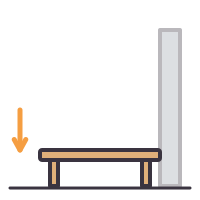
低い
【解説】反対は high です。低い声も low voice と言います。
【例文】The table is too low for me.(そのテーブルは私には低すぎます。)
luck
問いThe good or bad things that happen to you without any plan or work. A four-leaf clover brings it.
運
【解説】形容詞は lucky です。Good luck! は「がんばって・幸運を」という意味です。
【例文】Good luck on your test!(テストがんばってね!)
lucky
問いHaving good things happen to you by chance, like finding money on the road.

運のいい
【解説】名詞の luck に y を付けた形です。Good luck! は「がんばって」です。
【例文】You are lucky. You won the game.(あなたは運がいいね。ゲームに勝ったよ。)
luggage
問いAll the bags and cases that you carry with you when you go on a trip.

手荷物
【解説】数えられない名詞なので a luggage とは言いません。数えるときは a piece of luggage です。
【例文】Please put your luggage here.(手荷物はここに置いてください。)
lunch
問いThe meal that you eat in the middle of the day, often at noon.

昼食
【解説】お弁当は lunch box、「昼食を食べる」は have lunch と言います。
【例文】What do you want for lunch?(昼食に何が食べたい?)
machine
問いA thing with moving parts and a motor that does hard work for you.
機械
【解説】ch を「シュ」と読んで「マシーン」と発音します。
【例文】This machine washes the dishes.(この機械は皿を洗います。)
magazine
問いA thin book with many pictures and news that comes out every week or month.
雑誌
【解説】アクセントは最後の zine に置くほか、アメリカでは最初の ma に置く言い方もあります。
【例文】I bought a music magazine.(私は音楽雑誌を買いました。)
magnet
問いA piece of metal that pulls other metal things to it. You stick notes on the fridge with it.

磁石
【解説】形容詞は magnetic(磁気の・磁石の)です。
【例文】The magnet picked up the pins.(磁石がピンを引きつけました。)
mailbox
問いA box where you put letters to be sent, or the box at your house where letters arrive.

郵便ポスト・郵便受け
【解説】イギリスでは postbox や letterbox と言います。
【例文】Put the letter in the mailbox.(手紙をポストに入れてね。)
man
問いA grown-up male person. A boy becomes this when he gets older.

男の人
【解説】複数形は men で、a が e に変わります。
【例文】An old man is sitting on the bench.(おじいさんがベンチに座っています。)
map
問いA picture of a city or country from above. It shows roads and helps you find places.
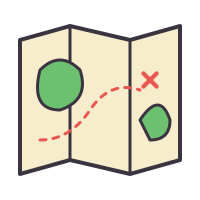
地図
【解説】world map(世界地図)や road map(道路地図)のように使います。
【例文】Look at the map of Japan.(日本の地図を見なさい。)
march
問いTo walk with firm regular steps in a group, like soldiers or a school band.
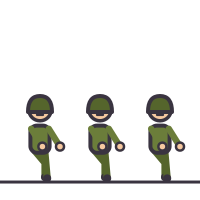
行進する
【解説】大文字で始まる March は「3 月」なので注意しましょう。
【例文】The band marched down the main street.(楽団は大通りを行進しました。)
market
問いA place with many small shops where people buy fresh fish, fruit, and vegetables.
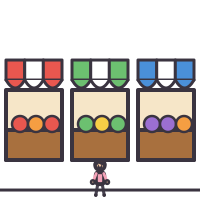
市場
【解説】supermarket も、market に super(上回る・大きい)を付けてできた語です。
【例文】We bought fruit at the morning market.(私たちは朝市で果物を買いました。)
math
問いThe school subject about numbers. You add, take away, and count in it.
数学・算数
【解説】mathematics を短くした形です。イギリスでは maths と言います。
【例文】I am good at math.(私は数学が得意です。)
measure
問いTo find out how long, heavy, or hot something is, using a ruler or a scale.

測る
【解説】名詞は measurement(測定・寸法)です。
【例文】Measure the table with this ruler.(この定規でテーブルを測って。)
meat
問いThe food that comes from animals like cows, pigs, and chickens. Fish is not this.
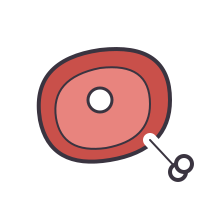
肉
【解説】meet(会う)と同じ発音なので、つづりに注意しましょう。
【例文】I don't eat much meat.(私はあまり肉を食べません。)
medicine
問いSomething you take when you are sick to get well. It can be a liquid, a powder, or pills.

薬
【解説】「薬を飲む」は drink ではなく take medicine と言います。
【例文】Take this medicine after dinner.(夕食後にこの薬を飲んでください。)
meet
問いTo come together with a person and say hello, at a place or a time you planned.
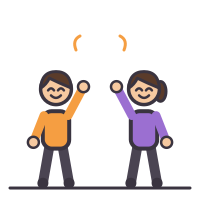
会う
【解説】過去形は met です。初対面のあいさつは Nice to meet you. です。
【例文】Let's meet at the station.(駅で会いましょう。)
meeting
問いA time when people come together to talk about work or plans.
会議
【解説】「会議をする」は have a meeting と言います。
【例文】We have a meeting at three.(3時に会議があります。)
melt
問いTo change from a hard thing into water when it gets warm, like ice or snow.

とける
【解説】アイスがとけるのは melt、問題を解くのは solve と言い分けます。
【例文】The snow melted quickly.(雪はすぐにとけました。)
member
問いOne person who belongs to a club, team, or group and joins its activities.
一員・メンバー
【解説】「~の一員」は a member of ~ と of を使います。
【例文】She is a member of the tennis club.(彼女はテニス部の一員です。)
memory
問いThe power to keep facts and old days inside your head and bring them back later.
記憶・思い出
【解説】複数形は memories です。動詞は remember や memorize を使います。
【例文】I have a happy memory of that summer.(私にはあの夏の楽しい思い出があります。)
message
問いWords that you send to someone by phone or on paper when you cannot talk to them.
伝言・メッセージ
【解説】「伝言を残す」は leave a message と言います。
【例文】I left a message on his phone.(私は彼の電話にメッセージを残しました。)
messy
問いIn great disorder, with clothes and papers thrown everywhere around the floor.

散らかった
【解説】名詞は mess(散らかった状態)、比較級は messier です。
【例文】His room was messy after the party.(パーティーのあと、彼の部屋は散らかっていました。)
milk
問いA white drink that comes from a cow. Babies drink it and it makes bones strong.

牛乳
【解説】数えられない名詞で、一杯は a glass of milk と言います。
【例文】I drink milk every morning.(私は毎朝牛乳を飲みます。)
mind
問いThe part of a person that thinks, feels, and decides. It is not a body part you can touch.
心・精神
【解説】change your mind で「考えを変える」です。
【例文】Please change your mind.(考えを変えてください。)
minute
問いSixty seconds of time. There are sixty of these in one hour.
分
【解説】Just a minute. は「ちょっと待って」という決まり文句です。
【例文】Wait a minute, please.(ちょっと待ってください。)
mirror
問いA flat piece of glass that shows your face when you look into it.

鏡
【解説】「鏡を見る」は look in the mirror と in を使います。
【例文】Look at yourself in the mirror.(鏡で自分を見てごらん。)
mistake
問いSomething you do wrong by accident, like writing the wrong answer on a test.
間違い
【解説】「間違える」は make a mistake と言います。
【例文】I made a mistake in my homework.(私は宿題で間違いをしました。)
mix
問いTo put two or more things together so that they become one, like flour and eggs.
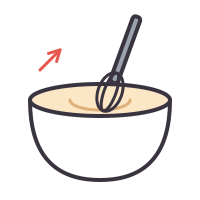
混ぜる
【解説】三単現は mixes です。名詞の mixture は「混ぜたもの」です。
【例文】Mix the flour and the sugar.(小麦粉と砂糖を混ぜてね。)
Mondaymonday
問いThe day after Sunday. It is the first school day of the week, and many people feel sleepy.
月曜日
【解説】曜日は大文字で始めます。「月曜日に」は on Monday と言います。
【例文】I have math on Monday.(月曜日には数学があります。)
money
問いCoins and paper notes. You use them to buy things at a shop.

お金
【解説】数えられない名詞です。「お金を使う」は spend money と言います。
【例文】I have no money today.(今日はお金がありません。)
monkey
問いAn animal with long arms and a tail. It climbs trees and eats bananas.

サル
【解説】gorilla や chimpanzee などの類人猿は、monkey ではなく ape と呼びます。
【例文】The monkey is eating a banana.(サルがバナナを食べています。)
month
問いAbout thirty days. There are twelve of these in one year, like May and June.
月(つき)
【解説】複数形は months です。th の発音が続くので練習しておきましょう。
【例文】We have a test every month.(毎月テストがあります。)
moon
問いThe big round thing that shines in the sky at night. It changes shape every month.

月
【解説】満月は full moon、月曜日は Monday です。
【例文】The moon is bright tonight.(今夜は月が明るいです。)
moonlight
問いThe soft silver light that falls on the garden at night when the sky is clear.

月明かり
【解説】moon と light を合わせた語で、数えられない名詞です。
【例文】We walked home in the moonlight.(私たちは月明かりの中を歩いて帰りました。)
morning
問いThe early part of the day. It starts when the sun comes up and ends at noon.

朝
【解説】「朝に」は in the morning、「おはよう」は Good morning. です。
【例文】I get up at six every morning.(私は毎朝6時に起きます。)
mother
問いA woman who has a child. She is a parent, and children call her mom.
母
【解説】家庭では mom や mommy と呼びます。
【例文】My mother is a nurse.(私の母は看護師です。)
mountain
問いA very high hill with a top far above the land. People climb it.
山
【解説】富士山は Mt. Fuji と書きます。mountain climbing は「登山」です。
【例文】Mt. Fuji is the highest mountain in Japan.(富士山は日本で一番高い山です。)