英単語(英英)の用語と解説
英語の説明から単語を当てる。865 語のうち 801〜850 語目です。答えを隠して、問いから答えを思い出してから読むと、覚えやすくなります。
この問題集をタイピングで解く
waterfall
問いA place where a river drops down from a high rock. It makes a loud sound.
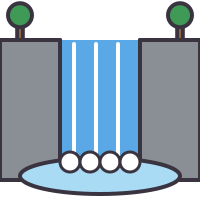
滝
【解説】water と fall を合わせ、「水が落ちる」所という意味の語です。
【例文】The waterfall is 100 meters high.(その滝は高さ100メートルです。)
wave
問いA line of water that rises up and moves across the sea toward the beach.

波
【解説】動詞では「手を振る」という意味になります。
【例文】The waves were very high today.(今日は波がとても高かったです。)
weak
問いNot strong. A sick person or a baby is this and cannot lift heavy things.

弱い
【解説】week(週)と同じ発音です。反対は strong です。
【例文】I feel weak after the fever.(熱のあとで体が弱っています。)
weather
問いHow the sky is today: warm, cold, wet, or windy. You check it before you go out.
天気
【解説】天気予報は weather report です。whether(~かどうか)と同じ発音です。
【例文】How is the weather today?(今日の天気はどうですか?)
wedding
問いThe day when two people get married, with a white dress and a big cake.

結婚式
【解説】結婚指輪は wedding ring と言います。
【例文】We went to my cousin's wedding.(私たちはいとこの結婚式に行きました。)
Wednesdaywednesday
問いThe middle day of the school week. It comes after Tuesday and before Thursday.
水曜日
【解説】最初の d は発音せず、「ウェンズデイ」と読みます。つづりに注意しましょう。
【例文】The library is closed on Wednesday.(図書館は水曜日は休みです。)
week
問いSeven days together, from Sunday to Saturday. A month has about four of them.
週
【解説】「週に一度」は once a week、「来週」は next week です。
【例文】I go to school five days a week.(私は週に5日学校に行きます。)
weekend
問いSaturday and Sunday together. Schools and many offices are closed on these two days.
週末
【解説】「週末に」は on the weekend、イギリスでは at the weekend と言います。
【例文】What do you do on the weekend?(週末は何をしますか?)
wet
問いCovered with water, like your clothes after a walk in the rain.
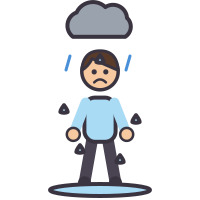
ぬれた
【解説】反対は dry です。比較級は t を重ねて wetter です。
【例文】My shoes are wet.(私の靴はぬれています。)
whale
問いThe biggest animal in the sea. It is not a fish, and it blows water from its head.

クジラ
【解説】wh の h は発音せず「ウェイル」と読みます。
【例文】We saw a whale from the boat.(私たちは船からクジラを見ました。)
wheel
問いThe round part under a car or bike that turns and makes it move.

車輪
【解説】車のハンドルは steering wheel と言います。
【例文】The front wheel of my bike is broken.(私の自転車の前輪が壊れています。)
whistle
問いA small metal thing you blow to make a loud sharp sound and stop a game.
笛・ホイッスル
【解説】t は発音せず「ウィスル」と読みます。
【例文】The referee blew his whistle twice.(審判は笛を二回吹きました。)
white
問いThe color of snow, milk, and a clean sheet of paper.

白い
【解説】wh の h はふつう発音しません。
【例文】Snow is white.(雪は白いです。)
wide
問いFar from one side to the other side, like a big river or a main road.
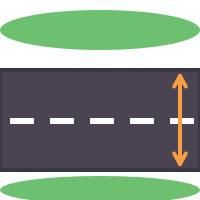
幅の広い
【解説】反対は narrow、名詞は width です。
【例文】The road is very wide here.(ここは道がとても広いです。)
wild
問いLiving in nature, not kept by people. A lion in Africa is this, but a pet dog is not.
野生の
【解説】wild animal で「野生動物」です。
【例文】Wild monkeys live in these mountains.(この山には野生のサルがいます。)
win
問いTo be the best in a game or a race and get the prize. The opposite of lose.

勝つ
【解説】過去形は won で、「ワン」と読みます。
【例文】Our team won the game.(私たちのチームは試合に勝ちました。)
wind
問いAir that moves fast outside. It blows leaves and hats away on some days.

風
【解説】「風が強い」は windy です。動詞の wind は「巻く」で、発音が違います。
【例文】The wind is strong today.(今日は風が強いです。)
window
問いThe glass part of a wall. You look through it to see outside.

窓
【解説】「窓の外へ」は out of the window と言います。
【例文】Open the window, please.(窓を開けてください。)
windy
問いWith a lot of air moving fast outside. Hats fly away on a day like this.
風の強い
【解説】名詞の wind に y を付けた形です。
【例文】It is very windy on the beach.(海岸はとても風が強いです。)
wing
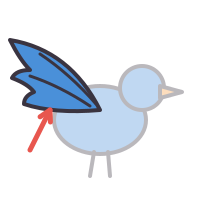
問いThe part of a bird's body that it moves to fly. A plane has two of them, too.
翼
【解説】たいてい 2 枚あるので、複数形 wings で使うことが多い語です。
【例文】The bird broke its wing.(その鳥は翼を折りました。)
winter
問いThe coldest season of the year. Snow falls, and people wear warm coats.
冬
【解説】冬休みは winter vacation と言います。
【例文】It is very cold in winter.(冬はとても寒いです。)
wire
問いA long thin piece of metal that bends. Power goes through it to your lamp.

針金・電線
【解説】「無線の」は wireless で、wire(線)がないという意味です。
【例文】Don't touch that wire.(その電線に触らないで。)
woman
問いA grown-up female person. A girl becomes this when she gets older.

女の人
【解説】複数形は women で、「ウィミン」と読みます。
【例文】That woman is my teacher.(あの女の人は私の先生です。)
wonderful
問いVery, very good. So nice that you say wow, like a great trip or a big present.
すばらしい
【解説】驚くほどよいときに使い、great と近い意味です。
【例文】We had a wonderful time.(私たちはすばらしい時間を過ごしました。)
work
問いTo do a job for money, or to do something hard with your body or mind.
働く
【解説】「働く」のほかに「うまくいく・(機械が)動く」の意味もあります。
【例文】My father works at a bank.(私の父は銀行で働いています。)
worry
問いTo feel afraid that something bad may happen, like failing a test.
心配する
【解説】「~を心配する」は worry about です。Don't worry. は「心配しないで」です。
【例文】Don't worry about the test.(テストのことは心配しないで。)
wrap
問いTo cover something all around with paper or cloth, like a birthday present.
包む
【解説】語頭の w は発音せず「ラップ」と読みます。
【例文】She wrapped the gift in red paper.(彼女は赤い紙でプレゼントを包みました。)
wrist
問いThe thin part of your body between your hand and your arm, where a watch sits.
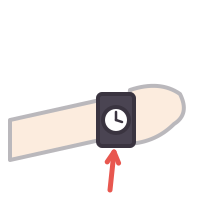
手首
【解説】手首は wrist、足首は ankle です。対にして覚えておきましょう。
【例文】She wears a silver watch on her wrist.(彼女は手首に銀の腕時計をしています。)
write
問いTo make letters and words on paper with a pen or pencil.

書く
【解説】過去形は wrote です。作家は writer と言います。
【例文】Write your name here.(ここに名前を書いてください。)
writer
問いA person whose job is to make books and stories for people to read.
作家
【解説】write に r を付けた形です。最初の w は発音しません。
【例文】My favorite writer is from England.(私の好きな作家はイギリス出身です。)
wrong
問いNot right. An answer that gets a red mark on a test is this.

まちがった
【解説】w は発音しません。What's wrong? は「どうしたの?」です。
【例文】That answer is wrong.(その答えはまちがっています。)
year
問いTwelve months together. It starts in January and ends in December.
年
【解説】「毎年」は every year、「去年」は last year です。
【例文】I am ten years old.(私は10歳です。)
yellow
問いThe color of a banana, a lemon, and the sun in a picture.

黄色い
【解説】発音は「イエロウ」です。ye の部分を「エ」だけにしないよう注意しましょう。
【例文】I like this yellow flower.(私はこの黄色い花が好きです。)
yen
問いThe money used in Japan. Coins and bills in this country are counted in it.
円
【解説】複数形も yen のままで、s は付けません。
【例文】This pen is one hundred yen.(このペンは100円です。)
young
問いNot old. A baby and a child are this, and so is a small kitten.
若い
【解説】反対は old です。若者は young people と言います。
【例文】My grandmother looks young.(祖母は若く見えます。)
zoo
問いA place where many animals live in cages or big gardens. Families visit to see them.
動物園
【解説】go to the zoo で「動物園へ行く」、飼育員は zookeeper と言います。
【例文】Let's go to the zoo on Sunday.(日曜日に動物園へ行こう。)
always
問いAt all times, every time, with no exceptions. The sun rises in the east like this.
いつも・常に
【解説】頻度を表す副詞の代表です。not always は「いつも〜とは限らない」という部分否定で、共通テストでも狙われます。
【例文】She always walks to school.(彼女はいつも歩いて学校へ行きます。)
often
問いMany times; again and again. It is the everyday word for frequently.
よく・しばしば
【解説】How often ...? は回数や頻度を聞く表現で、リスニングの会話によく出ます。
【例文】I often go to the library after school.(私は放課後よく図書館に行きます。)
sometimes
問いOn some occasions but not all the time; more than rarely but less than usually.
ときどき
【解説】頻度は always > usually > often > sometimes > never の順です。sometime(いつか)と区別しておきましょう。
【例文】It sometimes snows here in March.(ここでは3月にときどき雪が降ります。)
never
問いNot at any time, not even once. It is the opposite of always.
一度も〜ない・決して〜ない
【解説】I have never been to ... は「一度も行ったことがない」で、経験を表す現在完了の定番です。
【例文】I have never seen snow.(私は一度も雪を見たことがありません。)
together
問いWith each other, in one group or at the same time, not alone.
一緒に
【解説】work together(協力する)や get together(集まる)の形で、会話文によく出ます。
【例文】Let's eat lunch together.(一緒にお昼を食べましょう。)
again
問いOne more time; once more, as when you ask someone to say something a second time.
もう一度・再び
【解説】聞き返す Could you say that again? は会話の決まり文句で、リスニングでもよく聞きます。
【例文】Please say it again.(もう一度言ってください。)
already
問いBefore now, or sooner than expected. If the train left before you arrived, it has gone like this.
すでに・もう
【解説】肯定文の already と、疑問文・否定文の yet の使い分けは会話の読み取りで大事です。
【例文】I have already finished my homework.(私はもう宿題を終えました。)
still
問いContinuing until now and not stopped yet, like rain that began this morning and has not ended.
まだ・今でも
【解説】「まだ〜している」の still と、文頭で「それでも」の still があります。文脈で見分けることが大切です。
【例文】He is still sleeping.(彼はまだ眠っています。)
abroad
問いIn or to a foreign country, as when you study in Canada or travel to France.
外国へ・外国で
【解説】副詞なので go abroad、study abroad と to を付けません。留学の話題で頻出です。
【例文】She wants to study abroad next year.(彼女は来年留学したがっています。)
upstairs
問いTo or on a higher floor of a building, by going up the steps.
上の階へ・2階で
【解説】反対は downstairs。副詞なので go upstairs と to は付けず、建物の案内やリスニングで出ます。
【例文】My room is upstairs.(私の部屋は2階にあります。)
ahead
問いIn front, or forward in the direction you are going, as in 'Go straight ___ and turn left.'
前方に・先に
【解説】Go straight ahead. は道案内の定番で、地図を使うリスニング問題でよく聞きます。
【例文】Go straight ahead and turn right at the bank.(まっすぐ進んで、銀行のところで右に曲がってください。)
floor
問いThe flat surface of a room that you walk on. A tall building has many of these, one above another.
床・階
【解説】on the third floor(3階に)のように階も表します。案内図やリスニングで頻出です。
【例文】The library is on the second floor.(図書館は2階にあります。)
fact
問いSomething that is true and can be shown to be true, not just someone's idea or feeling.
事実
【解説】共通テストでは fact(事実)と opinion(意見)を区別させる設問がよく出ます。
【例文】It is a fact that the earth goes around the sun.(地球が太陽の周りを回っているのは事実です。)
event
問いSomething that happens, especially a planned activity like a festival, a concert, or a sports day.
出来事・行事・イベント
【解説】お知らせの文では、event の日時・場所・参加の条件がよく問われます。
【例文】The school event starts at ten.(学校の行事は10時に始まります。)