英単語(英英)の用語と解説
英語の説明から単語を当てる。865 語のうち 301〜350 語目です。答えを隠して、問いから答えを思い出してから読むと、覚えやすくなります。
この問題集をタイピングで解く
guitar
問いA musical instrument with six strings. You hold it and play it with your fingers.
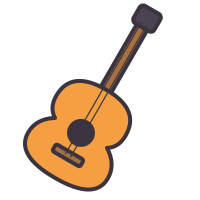
ギター
【解説】アクセントは後ろの tar にあり、「ギター」と読みます。
【例文】My brother plays the guitar.(兄はギターを弾きます。)
gym
問いA big room at school with a high roof where you play basketball and do exercise.
体育館
【解説】gymnasium を短くした形です。体育の授業は P.E. と言います。
【例文】We play volleyball in the gym.(私たちは体育館でバレーボールをします。)
hair
問いThe soft thin threads that grow on top of your head. You cut and brush it.
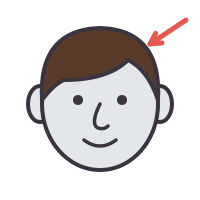
髪
【解説】髪全体は数えられない名詞です。a hair と言うと「一本の毛」になります。
【例文】She has long black hair.(彼女は長い黒髪をしています。)
hamburger
問いA round bread with hot meat inside. You eat it with your hands at a fast food shop.
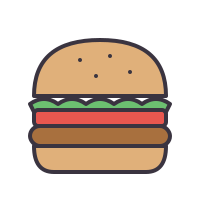
ハンバーガー
【解説】短く burger とも言います。日本の「ハンバーグ」とは別の料理です。
【例文】I want a hamburger and a cola.(ハンバーガーとコーラをください。)
hammer
問いA tool with a heavy metal head and a handle. You hit nails into wood with it.
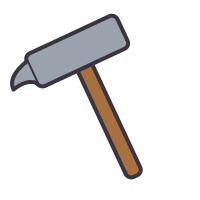
ハンマー・金づち
【解説】動詞としても使い、hammer a nail で「釘を打つ」です。
【例文】He hit the nail with a hammer.(彼はハンマーで釘を打ちました。)
hand
問いThe part at the end of your arm. It has five fingers and you hold things with it.

手
【解説】右手は right hand、握手は shake hands と言います。
【例文】Wash your hands before lunch.(昼食の前に手を洗いなさい。)
hang
問いTo put a coat or a picture on a hook or a nail so that it stays off the floor.

かける・つるす
【解説】過去形は hung です。hang out は「(友達と)ぶらぶら過ごす」です。
【例文】Hang your coat on the hook.(コートをフックにかけてね。)
happy
問いFeeling good inside and smiling a lot, like a child on a birthday morning.

うれしい・幸せな
【解説】反対は sad、名詞は happiness です。
【例文】I am happy today.(今日はうれしいです。)
harborharbor|harbour
問いA safe place by the sea where ships stop and people get on and off.
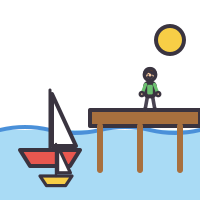
港
【解説】アメリカ英語のつづりで、イギリスでは harbour とつづります。
【例文】Many boats were in the harbor.(港にはたくさんの船がありました。)
hat
問いA thing you wear on your head. It keeps the sun or the cold away.

帽子
【解説】つばのある帽子が hat で、野球帽のような帽子は cap と言います。
【例文】She is wearing a red hat.(彼女は赤い帽子をかぶっています。)
hate
問いTo not like a person or thing very strongly. The opposite of love.
大嫌いである
【解説】「~するのが大嫌い」は hate doing でも hate to do でも表せます。
【例文】I hate cold mornings.(私は寒い朝が大嫌いです。)
head
問いThe top part of your body. Your eyes, ears, nose, and brain are in it.
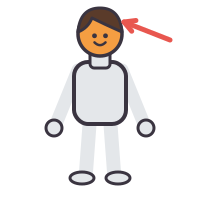
頭
【解説】頭痛は headache と言います。
【例文】I hit my head on the door.(私はドアに頭をぶつけました。)
headache
問いA pain in your head. You may get it when you are tired or sick.
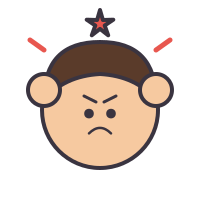
頭痛
【解説】head と ache(痛み)を合わせた語です。ache は「エイク」と読みます。
【例文】I have a bad headache.(私はひどい頭痛がします。)
heal
問いIf a cut on your skin does this, it slowly becomes well again by itself.
治る・治す
【解説】傷などが治る・治すときに heal を使います。病気が「よくなる」は get better とも言います。
【例文】The wound healed in about two weeks.(傷は2週間ほどで治りました。)
health
問いThe state of your body and how well it is. Good food and sleep keep it strong.
健康
【解説】形容詞は healthy(健康な)です。
【例文】Smoking is bad for your health.(喫煙は健康に悪いです。)
healthy
問いNot sick. Strong and well because you eat well and exercise every day.
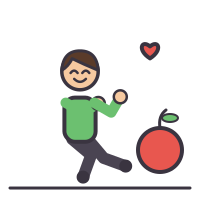
健康な
【解説】名詞の health に y を付けた形です。健康によい食べ物は healthy food です。
【例文】My grandfather is very healthy.(私の祖父はとても健康です。)
hear
問いTo notice a sound with your ears without trying, like a bell or a voice.
聞こえる
【解説】過去形は heard です。意識して耳を傾けるのは listen です。
【例文】I can hear music from the next room.(となりの部屋から音楽が聞こえます。)
heart
問いThe part in your chest that beats. It sends blood around your body.

心臓・心
【解説】ear を含むつづりですが「ハート」と読みます。「心」の意味もあります。
【例文】My heart is beating fast.(心臓がドキドキしています。)
heat
問いThe energy that makes things warm. The sun sends it to the earth every day.
熱・暑さ
【解説】形容詞は hot です。動詞の heat は「熱する」という意味です。
【例文】The heat from the fire warmed the room.(火の熱が部屋を暖めました。)
heavy
問いWeighing a lot and hard to lift, like a big stone or a full bag.

重い
【解説】反対は light です。激しい雨も heavy rain と言います。
【例文】This box is too heavy.(この箱は重すぎます。)
heel
問いThe back part of your foot, under your leg, that touches the ground first.
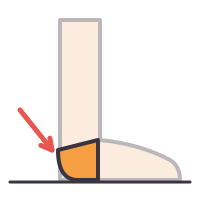
かかと
【解説】「ハイヒール」は high heels と複数形で言います。
【例文】My new shoes hurt my heel.(新しい靴でかかとが痛いです。)
helicopter
問いA flying machine with big blades that spin on top. It can go straight up.
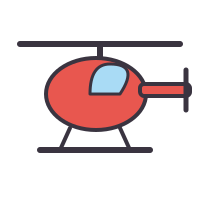
ヘリコプター
【解説】会話では短く chopper とも言います。
【例文】A helicopter is flying over the city.(ヘリコプターが街の上を飛んでいます。)
helmet
問いA hard round hat that keeps your head safe when you ride a bike or work.
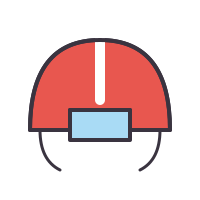
ヘルメット
【解説】「かぶる」は wear a helmet(状態)、put on a helmet(動作)と言います。
【例文】Always wear a helmet when you ride a bike.(自転車に乗るときは必ずヘルメットをかぶってね。)
help
問いTo do something for a person so that their work is easier.

助ける・手伝う
【解説】help me with ~ で「私の~を手伝う」です。
【例文】Can you help me with my homework?(宿題を手伝ってくれる?)
hero
問いA person who does something very brave, like saving a child from a fire.
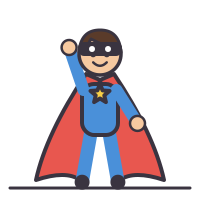
英雄・ヒーロー
【解説】複数形は heroes です。女性の英雄・主人公は heroine とも言います。
【例文】The firefighter is a real hero.(その消防士は本物の英雄です。)
hide
問いTo put something where nobody can see it, or to go where nobody can find you.
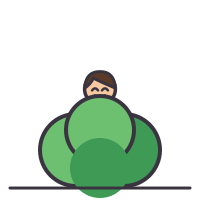
隠す・隠れる
【解説】活用は hide-hid-hidden です。
【例文】She hid the present under the bed.(彼女はプレゼントをベッドの下に隠しました。)
high
問いFar above the ground, like a mountain top or a plane in the sky.
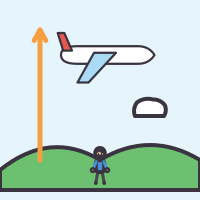
高い
【解説】人や木の背の高さには tall、山や空の高さには high を使います。
【例文】That mountain is very high.(あの山はとても高いです。)
hike
問いTo take a long walk in the mountains or the country for fun.
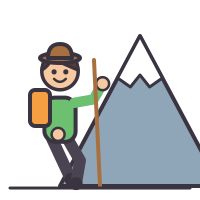
ハイキングをする
【解説】「ハイキングに行く」は go hiking と言います。
【例文】We hiked up the mountain.(私たちは山をハイキングで登りました。)
hill
問いA high piece of land, but not as high as a mountain. You can walk up it easily.
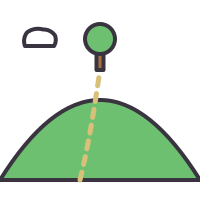
丘
【解説】「丘を上る」は go up the hill と言います。
【例文】There is a church on the hill.(丘の上に教会があります。)
history
問いThe school subject about things that happened long ago, like old kings and wars.
歴史
【解説】「~の歴史」は the history of ~ です。複数形は histories です。
【例文】I like Japanese history.(私は日本の歴史が好きです。)
hit
問いTo touch something hard and fast with your hand, a bat, or a ball.

打つ・たたく
【解説】過去形も hit のままです。「ホームランを打つ」は hit a home run と言います。
【例文】He hit the ball very far.(彼はボールをとても遠くに打ちました。)
hobby
問いSomething you like to do in your free time, like drawing or collecting stamps.
趣味
【解説】複数形は hobbies です。y を i に変えて es を付けます。
【例文】My hobby is taking pictures.(私の趣味は写真をとることです。)
hold
問いTo have something in your hands or arms and keep it there.
持つ・抱える
【解説】過去形は held です。Hold on. は「少し待って」という決まり文句です。
【例文】Hold my hand.(私の手を握って。)
holiday
問いA special day when schools and offices are closed, like New Year's Day.
休日・祝日
【解説】summer holidays(夏休み)のように、長い休みにも使います。
【例文】Tomorrow is a holiday.(明日は祝日です。)
hometown
問いThe place where you were born and grew up as a child.
故郷
【解説】home と town を合わせた 1 語で、生まれ育った町のことです。
【例文】My hometown is a small city in Kyushu.(私の故郷は九州の小さな市です。)
homework
問いSchool work that a teacher gives you to do at home after class.

宿題
【解説】数えられない名詞なので、a homework とは言いません。
【例文】I have a lot of homework today.(今日は宿題がたくさんあります。)
honest
問いAlways telling the truth and never taking things that are not yours.
正直な
【解説】h は発音しないので、an honest ... と an を使います。
【例文】She is an honest girl.(彼女は正直な女の子です。)
hope
問いTo want something good to happen and think that it may happen.
望む
【解説】「~だといいな」は I hope + 文 で表します。
【例文】I hope you get well soon.(早く良くなるといいね。)
horse
問いA big strong animal with four legs. People ride on its back and it can run fast.
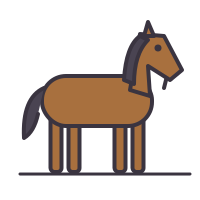
馬
【解説】ride a horse で「馬に乗る」、馬の鳴き声は neigh と言います。
【例文】She can ride a horse.(彼女は馬に乗ることができます。)
hospital
問いA big building where doctors and nurses take care of sick people.

病院
【解説】「入院している」は in the hospital(イギリスでは in hospital)と言います。
【例文】My grandfather is in the hospital.(祖父は入院しています。)
hot
問いHaving a very high temperature, like fire or soup right off the stove.
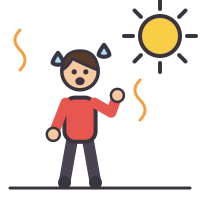
熱い・暑い
【解説】比較級は t を重ねて hotter です。「辛い」も hot と言います。
【例文】This tea is too hot.(このお茶は熱すぎます。)
hotel
問いA building with many rooms where travelers pay to sleep for a night.
ホテル
【解説】アクセントは後ろの tel にあり、「ホウテル」と読みます。
【例文】We stayed at a hotel near the beach.(私たちは海岸近くのホテルに泊まりました。)
hour
問いSixty minutes of time. There are twenty-four of these in one day.
1時間
【解説】h は発音しないので、an hour と言います。
【例文】I study for one hour every day.(私は毎日1時間勉強します。)
house
問いA building where a family lives. It has rooms, doors, windows, and a roof.
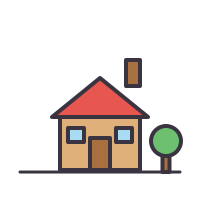
家
【解説】建物としての家は house、「家庭・我が家」は home と言います。
【例文】My house is near the station.(私の家は駅の近くにあります。)
huge
問いVery very big, like a whale, a mountain, or the ocean.
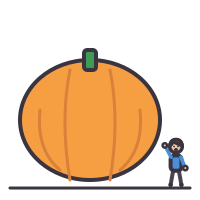
巨大な
【解説】big よりさらに大きいときに使います。
【例文】An elephant is a huge animal.(ゾウは巨大な動物です。)
hungry
問いWanting to eat because your stomach is empty. You feel this before lunch.
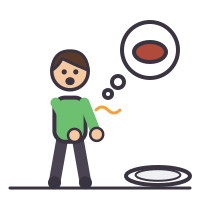
おなかがすいた
【解説】「のどが渇いた」は thirsty と言います。
【例文】I am hungry. Let's eat.(おなかがすいた。食べよう。)
hunt
問いTo look for wild animals and catch or kill them for food. A lion does this.
狩る
【解説】狩りをする人は hunter です。
【例文】Owls hunt mice at night.(フクロウは夜にネズミを狩ります。)
hurry
問いTo move or do things very fast because there is not much time.

急ぐ
【解説】「急いで!」は Hurry up! と言います。
【例文】Hurry, or we will miss the bus.(急いで、バスに乗り遅れるよ。)
hurt
問いTo give pain to a part of the body. You do this to your knee when you fall down.
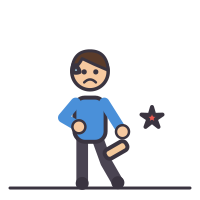
けがをさせる・痛む
【解説】過去形・過去分詞も hurt で、形が変わりません。
【例文】I hurt my arm when I fell.(転んだときに腕をけがしました。)
hut
問いA very small rough building with one room, built from wood, mud, or dry grass.
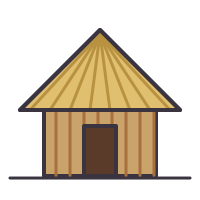
小屋
【解説】cabin よりもさらに簡素で小さい建物を指します。
【例文】An old hut stood at the end of the road.(道の終わりに古い小屋が立っていました。)